Reviewed and updated by Julian Nelle on 05 December 2025
Enhancing sales force effectiveness in pharma: The interplay of analytics, AI, and human interaction
In the pharmaceutical world, sales force effectiveness (SFE) is anything but a numbers-only sport. It’s a mix of the right people, solid metrics, meaningful insights, and technology that actually works — when all of this clicks, you’re not just hitting quarterly targets, you’re pushing the business forward and building relationships that last longer than a quick follow-up email.
A strong sales team is essential. And no, simply “having people on the ground” isn’t enough. You need the right people, aligned with the company’s bigger picture — a bit like assembling a team that can actually win the match, not just fill the bench.
Even the best team needs data to steer its next move. Analytics play a central role in pharma sales, revealing how customers behave, where the market is shifting, and which patterns matter. With that clarity, the sales force can refine its approach and adapt to what healthcare providers and patients truly need — and yes, it makes everyone’s life easier.
Ultimately, pharma requires a more nuanced sales mindset, where analytics, AI, and human interaction work together. When combined, they turn sales strategies into a blend of sharp, data-driven decisions and genuine personal engagement — far beyond the limits of traditional playbooks.
What is pharma sales force effectiveness (SFE)?
SFE is the linchpin that aligns the objectives of a pharmaceutical sales force with broader business goals.
It encompasses a synergy between sales strategies, customer needs, and organizational objectives. Understanding the intricate connection between recruiting and SFE underscores the pivotal role of having the right individuals equipped with the necessary characteristics for success. It’s not just about driving sales; it’s about nurturing relationships and delivering value to stakeholders across the spectrum.
Given that global medicine spending is projected to exceed $2.4 trillion in 2029 and new brands will contribute $181 billion in spending growth1, both for well established pharma companies and new ones, focusing on SFE becomes crucial to gain market shares.
Key metrics to measure pharma sales force effectiveness - let’s talk numbers!
Understanding and measuring the effectiveness of a pharmaceutical sales force is pivotal for driving success in the industry. The metrics utilized in evaluating sales force effectiveness (SFE) are multifaceted, offering insights into various facets of performance and impact. Let’s delve into some key metrics that serve as pillars in assessing and optimizing the effectiveness of a pharma sales team.
Sales force performance and results metrics
Sales volume and revenue generation
Perhaps the most obvious metric, sales volume, and revenue generated are fundamental indicators of a team’s performance. This metric showcases the team’s ability to convert efforts into tangible results. Tracking sales trends over time helps identify patterns, successes, and areas that require improvement.
Market share and penetration
Understanding the market share captured by a pharmaceutical product or portfolio against competitors is critical. Evaluating market penetration illuminates the team’s effectiveness in reaching potential customers and expanding their footprint within target demographics.
Return on Investment (ROI) of sales initiatives
Evaluating the ROI of various sales initiatives, such as marketing campaigns or promotional activities, provides insights into the effectiveness of allocated resources and the impact on sales outcomes.
Customer interaction and relationship metrics
Customer engagement and relationship building
Metrics focusing on customer engagement, such as the frequency and quality of interactions, provide insight into relationship-building efforts. These metrics could encompass customer feedback, satisfaction scores, and the development of long-term partnerships.
Retention and growth of customer base
Metrics focused on customer retention rates and the expansion of the customer base indicate the team’s ability to maintain relationships and acquire new clients.
Market intelligence and feedback
Gathering market intelligence and customer feedback metrics aids in understanding market dynamics, customer needs, and preferences. This information enables the sales team to adapt strategies and offerings accordingly.
Efficiency and adherence metrics
Productivity and efficiency
Assessing the efficiency of the sales team involves metrics like sales per representative, calls per day, or conversion rates. These metrics highlight the team’s productivity and effectiveness in utilizing resources to achieve goals.
Adoption of technology and tools
With the integration of technology in sales, metrics related to technology adoption become crucial. Tracking the utilization and proficiency in using sales enablement tools, CRM systems, and other technologies can indicate the team’s adaptability and efficiency in leveraging available resources.
Compliance and regulatory adherence
Given the stringent regulatory environment in pharmaceuticals, metrics pertaining to compliance with regulations, adherence to ethical standards, and alignment with company policies are essential indicators of a sales team’s effectiveness.
Training and development impact
Metrics assessing the impact of training and development programs on sales performance and skill enhancement are valuable. These could include performance improvements post-training, knowledge retention rates, and skill advancement.
These metrics collectively offer a comprehensive view of a pharmaceutical sales team’s effectiveness. While each metric provides specific insights, it’s the combination and analysis of these metrics that enable informed decision-making and strategic enhancements to optimize sales force effectiveness in the pharmaceutical industry.

The future of pharma sales between strategies, analytics and AI
Efficiency improvement in pharmaceutical sales is poised for a transformational shift as technology continues to advance. We have covered it for the biotech sector, but also in this case the convergence of data analytics and artificial intelligence (AI) is revolutionizing the way companies approach sales strategies. In the upcoming years, the industry will witness a significant overhaul in how sales teams operate, leveraging these technological advancements to streamline processes, enhance customer engagement, and drive better outcomes.
Efficiency improvement strategies for the future
Personalized sales and marketing
Tailoring sales approaches based on individual customer needs and preferences using AI-driven insights will be crucial. This personalized approach will improve engagement and increase the likelihood of successful conversions.
Predictive analytics for targeting
Utilizing predictive analytics to identify potential leads and anticipate customer needs will allow sales teams to prioritize efforts effectively, focusing on prospects most likely to convert.
Data-driven decision making
Embracing data-driven decision-making processes will empower sales teams to refine their strategies continually. Analyzing vast amounts of data will provide valuable insights into market trends, customer behavior, and competitive landscapes.
Sales automation and AI-assisted tools
Implementing automation tools and AI-driven solutions for routine tasks, such as CRM management, will free up sales representatives’ time. This will enable them to concentrate on building relationships and offering personalized services.
Data analytics and AI's role in transforming pharmaceutical sales
Data analytics plays a pivotal role in providing actionable insights derived from the vast amounts of available data. By harnessing this information, pharmaceutical sales teams can make informed decisions regarding product positioning, pricing strategies, and customer segmentation. Furthermore, AI augments these capabilities by enabling predictive modeling, identifying patterns in customer behavior, and facilitating more accurate sales forecasts.
AI-powered algorithms can analyze historical sales data, customer interactions, and market trends to anticipate future demand. This allows sales teams to adapt swiftly, ensuring they are equipped to meet the evolving needs of healthcare providers and patients.
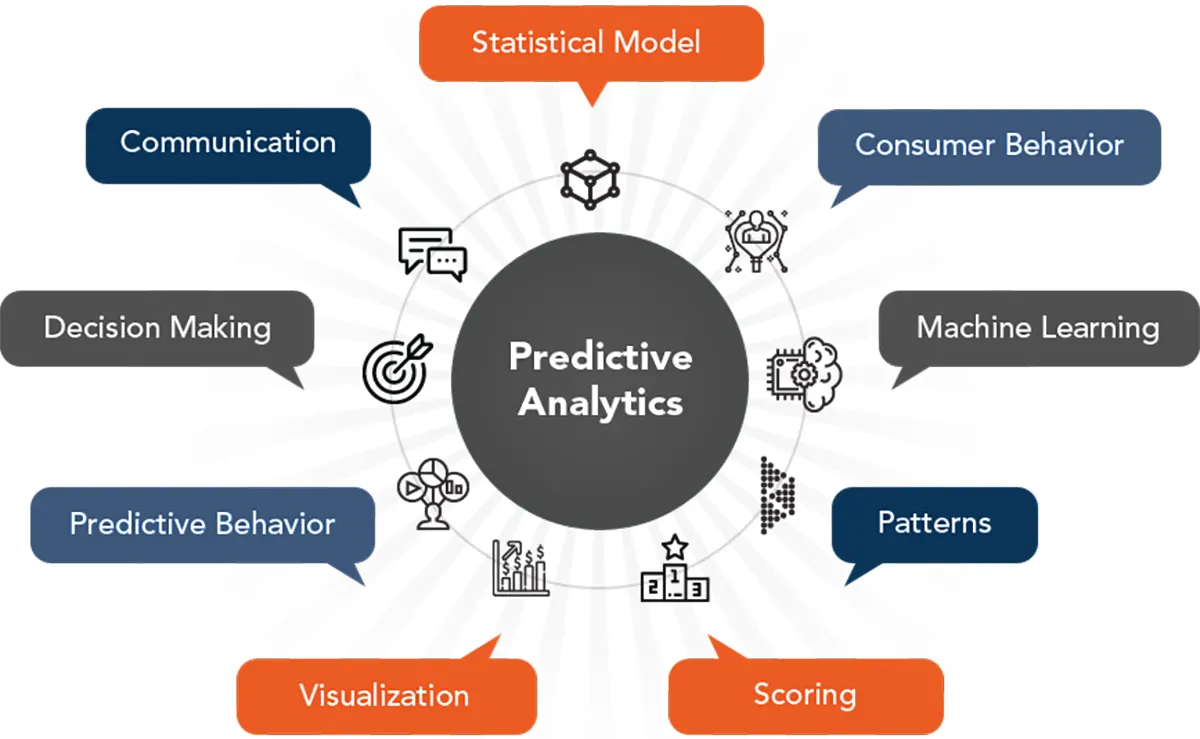
Additionally, AI-driven tools aid in optimizing sales processes by offering real-time recommendations and insights during customer interactions. These tools enable sales representatives to have more meaningful conversations with healthcare professionals, providing relevant information tailored to their specific interests and concerns.
As pharmaceutical companies increasingly invest in data analytics and AI, they not only enhance sales efficiency but also foster a deeper understanding of the market dynamics. This leads to more targeted and impactful sales strategies, ultimately benefiting both the companies and their clientele.
In conclusion, the future of sales in the pharmaceutical sector is intrinsically linked to the advancements in data analytics and AI. Embracing these technologies will undoubtedly drive efficiency improvements and elevate the standard of customer engagement in the industry.
Human interaction: the invaluable touchpoint and the limitation of a humanless sales process
Amidst the surge of analytics and AI, the essence of human interaction remains indispensable. The emotional quotient, empathy, and nuanced understanding that humans bring to sales interactions cannot be replicated by machines. Relationships in the pharmaceutical industry often hinge on trust and rapport, elements that thrive through genuine human connections. While analytics and AI streamline processes, the human touch is pivotal in establishing and nurturing long-term relationships.
Sometime the question arises: can the entire sales process function devoid of human intervention? While analytics and AI optimize several facets of sales, there exist limitations to a fully automated system. Human empathy, intuitive understanding, and the ability to navigate complex emotional nuances are realms where AI falls short. In the pharmaceutical domain, where trust and empathy play pivotal roles, the complete absence of human interaction may hinder the establishment of enduring relationships.

Hiring the right sales force as part of your efficiency
The role of hiring the right sales representatives is pivotal in shaping the effectiveness of a pharmaceutical sales team. Identifying candidates with the essential skills, traits, and experience significantly influences the team’s ability to excel in meeting key metrics and driving success2.
Which are the key skill of a good candidate for a sales representative role? We identified at least four crucial areas of excellence needed – you can discover more on how to build an effective recruitment strategy here.
Industry knowledge
Demonstrated understanding of pharmaceuticals, including product knowledge and industry trends.
Effective communication
Strong verbal and written communication skills for engaging with healthcare professionals and clients. Simple but the most effective way to engage with potential clients is to speak the same language. In a global world the English language is everywhere and used especially in a scientific context. But for local healthcare providers and the end-users of most products this doesn’t quite fit. So speaking the local language is still key.
Adaptability and resilience
Ability to adapt to industry changes and thrive in a competitive environment.
Ethical standards and compliance
Commitment to ethical practices and adherence to industry regulations.
For pharma sales recruiters, focusing on these critical characteristics and asking targeted interview questions ensures the selection of sales representatives who align with the metrics and objectives crucial for success.
AI's impact on streamlining processes and freeing human resources
Artificial Intelligence (AI) is a real game-changer in pharmaceutical sales, not just improving efficiency but shaking up the whole workflow. One of its biggest strengths is taking over the repetitive, brain-numbing tasks so humans can finally focus on work that actually matters.
Picture this: AI-powered tools dealing with CRM updates, data entry, or endless report generation. While it handles the administrative swamp, sales reps can spend their time on what really moves the needle — building relationships, having real conversations, and shaping smarter, more targeted strategies.
And then there’s the predictive side of AI. Thanks to predictive analytics, it becomes much easier to spot high-potential leads and anticipate what customers will need next. That means sales teams can put their energy exactly where it pays off. It also helps optimize routes, schedules, and touchpoints, cutting out the usual inefficiencies and time-wasters.
Finally, AI’s talent for crunching massive amounts of data in no time delivers insights that would take humans ages to uncover. It hands sales teams rich, detailed customer profiles, making it crystal clear who prefers what, how they behave, and what they’re likely to expect. With that kind of clarity, crafting a personalized, effective approach stops being wishful thinking — and starts boosting engagement and conversion rates for real.
The future implications of AI in pharmaceutical sales
The trajectory of AI in pharmaceutical sales is moving toward deeper, more seamless integration across the entire commercial ecosystem. As machine learning models get sharper and natural language processing becomes less robotic and more context-aware, predictive capabilities will shift from “useful guesses” to highly reliable, real-time forecasts.
Expect AI to become even better at digesting messy, multi-source data — from physician behavior trends to formulary shifts, from CRM interactions to real-world evidence. The result? Tools that don’t just flag patterns after they happen, but spot market changes early, allowing sales teams to adjust strategy on the fly rather than reacting too late.
Emerging technologies are also starting to blend with AI in ways that go beyond buzzwords. AR-powered detailing is already being piloted for complex therapies, giving healthcare professionals interactive, in-depth product walk-throughs without needing an in-person meeting. VR simulations are gaining traction for training sales reps on clinical pathways, objection handling, and product scenarios — far more engaging than yet another slide deck.
Importantly, the future isn’t about AI replacing human interaction — that narrative has already aged badly. The actual direction is AI acting as an amplifier of human expertise: filtering noise, surfacing what matters, and helping reps show up prepared, relevant, and credible. The combination of AI precision + human judgment is what will set new standards in efficiency, personalization, and commercial effectiveness.
In short, the next wave of AI won’t take the human out of pharma sales. It will simply make the human part a lot smarter, faster, and harder to compete with.
Conclusion: the symbiosis of innovation and humanity
The evolution of SFE in the pharmaceutical industry embodies a symbiosis between innovation and humanity. Analytics and AI amplify operational efficiency, streamline processes, and predict trends. However, the true essence of sales, particularly in the intricate healthcare landscape, necessitates the amalgamation of these technological advancements with the innate human touch.
The future of SFE lies not in replacing humans with machines but in leveraging technology to augment human capabilities, fostering authentic connections, and delivering unparalleled value to stakeholders.